
Before We Begin…
Every engagement starts with the same question: what does a successful outcome actually look like for you?
Not every founder defines success the same way. Some are optimizing for the highest possible number. Others are prioritizing a clean exit with no earnout. Some want to stay involved post-close. Others want a full separation. The process we run is shaped by the answer to that question from the start. Before any positioning work begins, before any buyer is approached, we establish a clear picture of your goals, your timeline, your business, and your walk-away conditions. That clarity is the foundation everything else is built on.

STAGE 1: DISCOVERY
Understanding the business the way a buyer will.
The first stage of every engagement is a structured review of your business from the buyer's perspective. This is not a casual conversation. It is a disciplined analysis of what you have built, how it generates value, where the risks are, and how those risks will be perceived by an acquirer.
We look at financial performance and quality of earnings, revenue concentration and customer dependency, management structure and key person risk, recurring versus transactional revenue, growth trajectory and the drivers behind it, and any operational or legal factors that a buyer will surface during diligence.
The purpose of this stage is not to find problems for their own sake. It is to find them before a buyer does, so we can address them on our terms rather than theirs.
What we produce: A clear internal assessment of the business, its strengths, its vulnerabilities, and the factors most likely to drive or compress valuation in the current market.
STAGE 2: POSITIONING
Before any buyer sees your business, a narrative needs to exist. We write it.
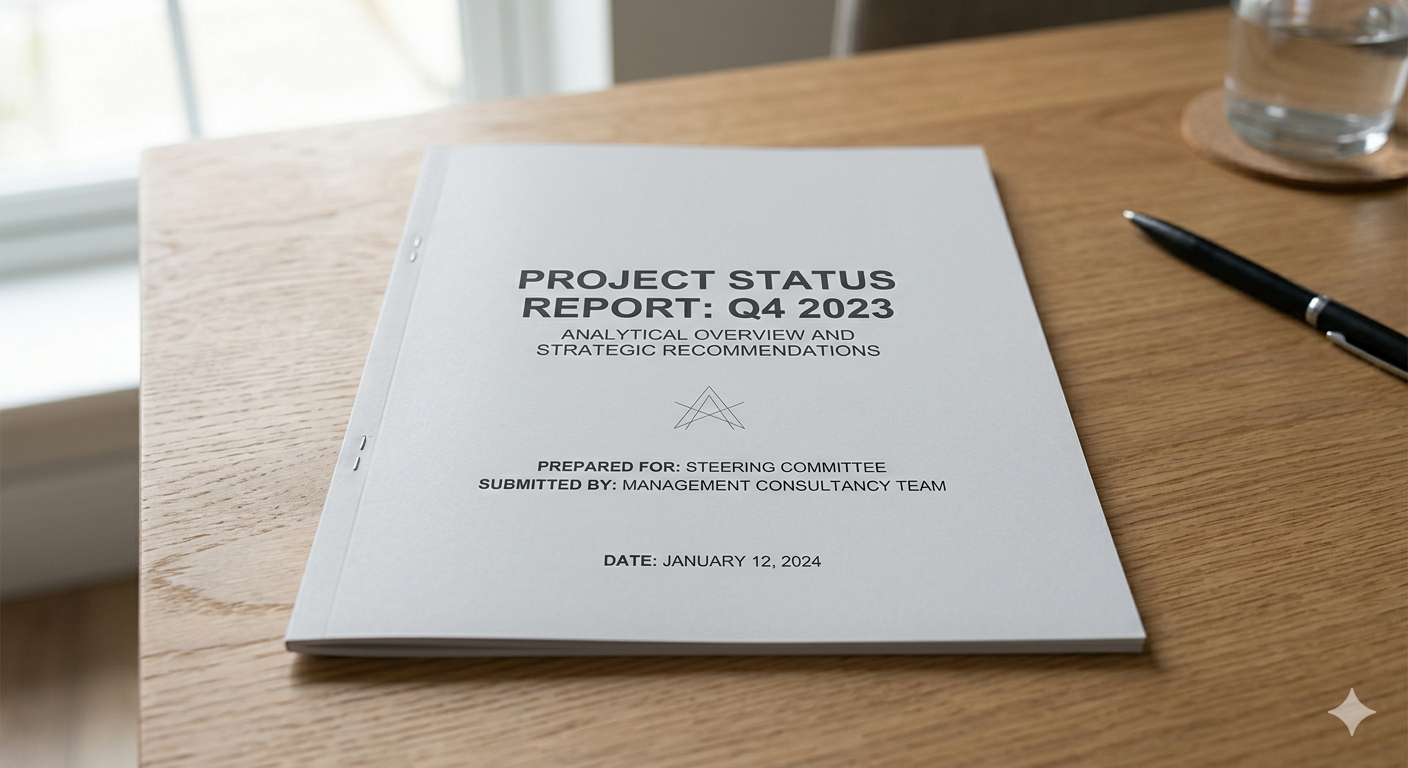
Positioning is the most underestimated stage of any exit process. Founders tend to believe that good financials speak for themselves. They do not. Every business that goes to market is telling a story. The question is whether that story was crafted intentionally or assembled by the buyer from whatever information they receive.
We develop a deal narrative that frames your business around the factors most likely to drive valuation: growth trajectory, market position, operational leverage, and strategic fit for the right buyer profile. We then build the materials that carry that narrative into every buyer conversation.
This includes the confidential information memorandum, the executive summary, the financial model presented to buyers, and the framing of any initial conversations.
What we produce: A complete deal package including the CIM, executive summary, and financial presentation. A defined buyer thesis that identifies who should want this business and why.
STAGE 3: BUYER OUTREACH
A single interested buyer is not a market. We build one.
The goal of buyer outreach is not to find someone willing to buy your business. It is to create a competitive environment where multiple qualified parties are engaged simultaneously. That competition is where leverage is created.
We identify the right buyer universe for your business, which may include strategic acquirers in your industry, private equity firms with relevant portfolio companies, independent sponsors, or family offices depending on your business profile and your goals. We then manage outreach in a way that creates process discipline on both sides.
Buyers move faster and bid more aggressively when they know they are in a process with other parties. We structure the outreach to establish that dynamic from the first contact.
What we produce: A qualified buyer list with defined outreach strategy. Managed initial contact and NDA execution. Coordinated buyer access to materials and a defined timeline for indications of interest.


STAGE 4: NEGOTIATION
The term sheet is not the finish line. It is where the real negotiation begins.
Most founders treat a signed letter of intent as the moment the deal is done. It is not. The period between LOI and final purchase agreement is where deal structure is defined, where diligence becomes a renegotiation tool, and where terms that seemed minor become significant.
We review every LOI in detail before you respond. We identify which terms are acceptable, which need to be pushed back on, and which are deal-breakers depending on your goals. We advise on purchase price adjustments, earnout structures, seller notes, representations and warranties, indemnification exposure, and working capital targets.
Once an LOI is signed, we manage the diligence process to ensure it moves efficiently and does not create unnecessary exposure. Buyers use diligence to reopen price conversations. We prepare for that before it happens.
What we produce: A detailed LOI review with recommended response positions. Active negotiation support through the diligence period. Ongoing advisory on every material decision between LOI and close.
STAGE 5: CLOSE
Close is not the end of the process. It is the result of managing every stage that came before it.
The final stage of the process is getting the deal across the line on the terms you agreed to. That sounds simple. In practice, the period between a signed purchase agreement and funded close involves final document review, condition satisfaction, closing statement reconciliation, and last-minute requests from buyers or their counsel that can reopen settled issues if they are not handled correctly.
We remain active through every step of this stage. Our job is not finished when the LOI is signed or when the purchase agreement is executed. It is finished when proceeds are in your account and the obligations of the transaction are clearly defined.
What we produce: Active support through final document review, closing condition management, and closing statement reconciliation. A clear understanding of your post-close obligations before you sign anything.

The Founder's Experience
You are informed at every stage. Nothing moves without your understanding and your decision.
Advisory does not mean handing the process to someone else and waiting for a result. It means having someone who has run this process before standing beside you as you run it. Every stage produces a clear output. Every decision point is explained before you are asked to make a call. Every buyer interaction is prepared for before it happens.
The process is disciplined because the outcome requires it. A well-run process does not leave value on the table. It is the only structure that reliably prevents it.
Begin The Process
A 60-minute advisory session is where we establish where your business stands, what a real process looks like for your situation, and what the right next step is. No commitment beyond that session is required to begin. Also feel free to check out our free tools we have available on this website, including an exit-readiness assessment and valuation estimate.